


-

Add: HeBei ShengShi HongBang Cellulose Technology CO.,LTD.
-

Email
13180486930@163.com -

CONTACT US
+86 13180486930

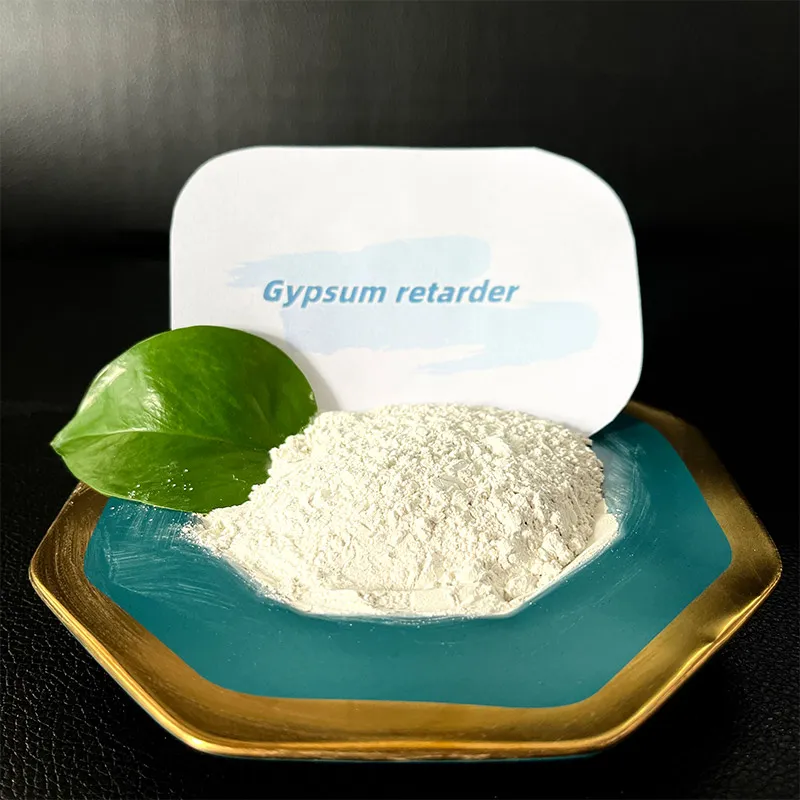


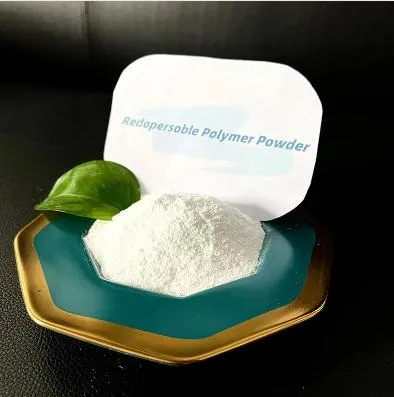


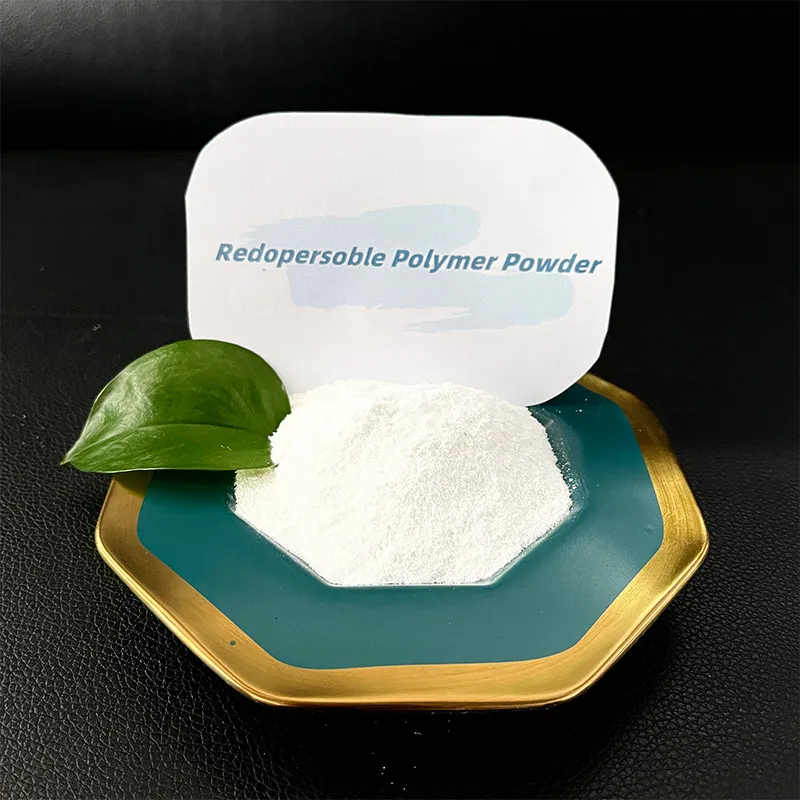
Redispersible emulsion powder, redispersible latex powder, polymer powder, VAE redispersible powder, and redispersible powder is a key solution in the chemical industry industry, specifically within fine chemicals and Building Chemicals. This article explores how HeBei ShengShi HongBang Cellulose Technology CO.,LTD. supports professionals with durable, high-performance products, and explains why this product is an ideal choice for businesses in these sectors. Table of Contents Redispersible Polymer Powder Overview Benefits & Use Cases of Redispersible Emulsion Powder in Building Chemicals Cost, Maintenance & User Experience with VAE Redispersible Powder Sustainability & Market Trends in the Chemical Industry Conclusion on Redispersible Powder from HeBei ShengShi HongBang Cellulose Technology CO.,LTD. Redispersible Polymer Powder Overview In the dynamic realm of the chemical industry, particularly within fine chemicals and specialized Building Chemicals, redispersible polymer powder stands as a foundational ingredient. This versatile additive, often referred to as redispersible emulsion powder or VAE redispersible powder , is a free-flowing, white organic polymer powder produced by spray-drying polymer emulsions. Its primary function is to enhance the performance characteristics of dry-mix mortars and other cement-based formulations. Upon contact with water, this powder readily redisperses into a liquid emulsion, acting as an organic binder to form a flexible, water-insoluble film within the cured mortar. Technically, redispersible latex powder significantly improves adhesion strength, flexibility, cohesion, and workability, while also boosting water resistance, impact resistance, and abrasion resistance. These properties are critical for modern construction materials that demand superior durability and performance. HeBei ShengShi HongBang Cellulose Technology CO.,LTD. is a recognized leader in manufacturing high-quality redispersible powder , offering a range of products meticulously engineered to meet the stringent requirements of construction professionals. Our commitment to technical excellence ensures that our partners receive reliable and consistent materials for their most challenging projects. Benefits & Use Cases of Redispersible Emulsion Powder in Building Chemicals The applications of redispersible emulsion powder within the Building Chemicals sector are extensive and critical for achieving high-performance construction. This sophisticated polymer powder is indispensable in formulations for tile adhesives, where it provides exceptional bond strength to various substrates, including low-absorption tiles. In external thermal insulation composite systems (ETICS), it significantly improves the flexibility and crack resistance of renders, ensuring the long-term integrity and energy efficiency of buildings. Furthermore, VAE redispersible powder is a key component in self-leveling compounds, enhancing flowability and surface hardness, leading to smooth and durable floor finishes. For wall putties and repair mortars, it contributes to excellent adhesion, reduced shrinkage, and improved workability, allowing for smoother application and superior aesthetic results. HeBei ShengShi HongBang Cellulose Technology CO.,LTD. leverages its profound expertise in this sector to develop tailored redispersible powder solutions that address specific industry needs, providing competitive advantages through enhanced product performance, simplified application, and extended material lifespan. Our products are designed to empower manufacturers of Building Chemicals to deliver consistently high-quality and reliable solutions to their end-users. Cost, Maintenance & User Experience Investing in high-quality redispersible polymer powder from a reputable manufacturer like HeBei ShengShi HongBang Cellulose Technology CO.,LTD. translates directly into tangible benefits regarding total cost of ownership, reduced maintenance, and an overall superior user experience. While the initial material cost might be a consideration, the enhanced durability and longevity imparted by our VAE redispersible powder in building materials lead to significantly lower lifecycle costs. Products formulated with our advanced redispersible powder exhibit improved resistance to weathering, cracking, and abrasion, minimizing the need for costly repairs and replacements over time. Feedback from our customers in the fine chemicals and construction sectors consistently highlights the operational advantages. Manufacturers report improved consistency in their product batches, reducing waste and optimizing production processes. Applicators appreciate the enhanced workability, longer open times, and superior adhesion of mortars containing our redispersible latex powder , which contributes to faster project completion and higher quality finishes. This improved user experience, combined with the proven return on investment through extended material lifespan and reduced future maintenance, solidifies the value proposition of choosing HeBei ShengShi HongBang Cellulose Technology CO.,LTD. as your trusted supplier for essential building chemical components. Sustainability & Market Trends in the Chemical Industry The chemical industry is increasingly focused on sustainability, driven by evolving regulations and a growing demand for eco-conscious building materials. Redispersible polymer powder plays a pivotal role in this shift, enabling the development of more durable and resource-efficient construction solutions. By enhancing the lifespan of building materials, our redispersible powder contributes to reduced material consumption and waste, aligning with principles of circular economy. HeBei ShengShi HongBang Cellulose Technology CO.,LTD. is at the forefront of this trend, continually investing in research and development to offer high-performance yet environmentally responsible VAE redispersible powder products. Market trends indicate a strong preference for high-quality, sustainable Building Chemicals that meet stringent performance standards without compromising environmental integrity. Regulatory bodies are imposing stricter guidelines on emissions, energy efficiency, and material sourcing, pushing manufacturers to innovate. Our commitment extends beyond product efficacy; we strive to ensure our production processes for redispersible emulsion powder are efficient and minimize environmental impact. By partnering with HeBei ShengShi HongBang Cellulose Technology CO.,LTD., businesses gain access to forward-thinking solutions that not only excel in performance but also support their sustainability goals and help them navigate the evolving landscape of the global chemical industry. Conclusion on Redispersible Powder from HeBei ShengShi HongBang Cellulose Technology CO.,LTD. In summary, the strategic integration of redispersible polymer powder is indispensable for achieving high-performance and durable solutions across the chemical industry, particularly within fine chemicals and the demanding Building Chemicals sector. From enhancing bond strength in tile adhesives to improving flexibility in ETICS, redispersible powder delivers unparalleled benefits that elevate product quality and longevity. HeBei ShengShi HongBang Cellulose Technology CO.,LTD. stands as a trusted partner, renowned for manufacturing superior VAE redispersible powder that consistently meets the highest industry standards, backed by a commitment to innovation and customer satisfaction. Choose HeBei ShengShi HongBang Cellulose Technology CO.,LTD. for reliable, high-quality redispersible emulsion powder that empowers your building material formulations to excel. Leverage our expertise to gain a competitive edge in a rapidly evolving market. Don't compromise on performance or sustainability – partner with us for your polymer additive needs. Contact us: email: 13180486930@163.com Visit our website: https://www.sshbhpmc.com
- 40000tons

Production
- 20+years

Experience
- 5000+㎡

Acreage

-
Fiberglass for Concrete Mix Enhancing Strength and Durability Concrete is one of the most widely used construction materials in the world, known for its strength and versatility. However, it does have its limitations, such as brittleness, susceptibility to cracking, and overall weight. To tackle these challenges, the incorporation of fiberglass into concrete mixes has emerged as a game-changing solution that boosts performance while maintaining the same traditional characteristics of concrete. What is Fiberglass? Fiberglass, or glass fiber, is a reinforced plastic material composed of fine fibers of glass. It is known for its high strength-to-weight ratio, excellent resistance to corrosion, and impressive insulation properties. When added to concrete mixes, fiberglass can significantly enhance the material's overall performance, making it a popular choice in various construction applications. Benefits of Fiberglass in Concrete Mixes 1. Improved Tensile Strength One of the most significant advantages of incorporating fiberglass into concrete is the enhancement of tensile strength. Traditional concrete tends to be strong in compression but weak in tension, which can lead to cracks and structural failures. By adding fiberglass, the tensile strength increases, making the concrete more resistant to stress and load-bearing requirements. 2. Reduced Shrinkage and Cracking Fiberglass acts as a reinforcement that helps to minimize shrinkage during the curing process. This reduction in shrinkage translates to a decreased risk of cracking, which is often a common issue in standard concrete mixes. By effectively controlling cracking, fiberglass-reinforced concrete extends the lifespan of structures and reduces the need for repairs. 3. Lightweight Composition The lightweight nature of fiberglass compared to traditional reinforcement materials like steel means that concrete mixes can maintain lower overall weight. This can reduce the structural load on foundations while still providing the necessary strength and durability. Such lightweight composition is particularly advantageous in projects where load restrictions are critical. fiberglass for concrete mix 4. Enhanced Durability Fiberglass is naturally resistant to corrosion and chemical attack, which can often plague concrete exposed to harsh environmental conditions. By incorporating fiberglass, the resulting concrete becomes more robust against moisture penetration, temperature fluctuations, and aggressive chemicals, making it ideal for use in areas such as coastal regions, industrial sites, or places with severe weather. 5. Cost-Effectiveness While there may be initial costs associated with adding fiberglass to concrete mixes, the long-term savings are significant. The durability and reduced maintenance associated with fiberglass-reinforced concrete often lead to lower repair and replacement costs over the lifecycle of a structure. Additionally, the efficiency of construction and the potential reduction in material usage can further offset expenses. Applications of Fiberglass-Reinforced Concrete The application of fiberglass in concrete mixes spans across various sectors including residential, commercial, and industrial construction. From precast concrete products to architectural elements, such as facades and sculptures, fiberglass enhances the performance and aesthetic appeal of concrete structures. One notable application is in the construction of pavements and flooring systems. The addition of fiberglass not only improves the structural integrity but also provides slip resistance, ensuring safety in both industrial and commercial environments. Moreover, the use of fiberglass in thin overlays and shotcrete processes shows significant promise, allowing for quick application with high durability. Conclusion In conclusion, the integration of fiberglass into concrete mixes presents a wealth of benefits that significantly enhance the material's performance. Improved tensile strength, reduced shrinkage, enhanced durability, and lightweight composition make fiberglass-reinforced concrete an excellent choice for modern construction projects. As the construction industry continues to evolve, adopting innovative materials like fiberglass will be crucial in meeting the demands for stronger, more resilient, and cost-effective building solutions. By embracing these advancements, engineers and architects can create structures that not only stand the test of time but also contribute to more sustainable development practices.
-
Understanding the Properties of Hydroxypropyl Methylcellulose Hydroxypropyl methylcellulose (HPMC) is a widely used polymer in various industries, including pharmaceuticals, food, cosmetics, and construction. This cellulose derivative is obtained through the modification of natural cellulose with hydroxypropyl and methyl groups, which enhances its solubility and utility. Understanding the properties of HPMC is crucial for its effective application in different formulations. Chemical Structure and Composition HPMC is a non-ionic, water-soluble polymer. Its chemical structure consists of a cellulose backbone with hydroxypropyl and methyl groups attached. The proportion of these substituents can be varied during synthesis, leading to HPMC products with different viscosity and gel-forming properties. The degree of substitution affects many characteristics, including solubility, thermal stability, and mechanical properties. Physical Properties One of the most significant physical properties of HPMC is its solubility in water. HPMC can dissolve in cold water, forming a transparent, viscous solution. The ability to form gels at higher concentrations is another notable characteristic. The viscosity of HPMC solutions can vary widely based on its molecular weight and concentration, which can be tailored to meet specific requirements in various applications. Typically, HPMC is available in grades that provide a range of viscosities that suit different needs, from low viscosity for easy flow to high viscosity for thicker formulations. Thermal Stability HPMC exhibits excellent thermal stability, making it suitable for processing conditions that involve high temperatures. It does not decompose easily under heat, which is important for applications such as hot-melt adhesives and coatings. The thermal behavior of HPMC can be further enhanced with additives, allowing for more versatile applications across various industries. Rheological Properties The rheological properties of HPMC solutions are of great interest, particularly in the pharmaceutical and food industries. HPMC behaves as a pseudoplastic or shear-thinning material, meaning that its viscosity decreases with an increase in shear rate. This property is advantageous during processing, as it allows for easier application and handling without compromising the formulation's final performance. When at rest, the polymer's viscosity increases, providing stability to the product. hydroxypropyl methylcellulose properties Role in Pharmaceutical Applications In the pharmaceutical industry, HPMC is commonly used as a binder in tablet formulations, as well as a disintegrant and controlled-release agent. Its ability to form gels and slow down drug release makes it highly valuable in developing extended-release formulations. HPMC is also utilized in the production of film coatings for tablets due to its film-forming properties, which provides a barrier to moisture and light, ultimately protecting the active ingredients inside. Applications in Food and Cosmetics HPMC is recognized for its emulsifying and thickening properties, allowing it to be widely used in food processing. It can enhance texture, stabilize emulsions, and improve the mouthfeel of various food products. In the cosmetic industry, HPMC is used as a thickening agent in creams and lotions, contributing to improved texture and stability. Biocompatibility and Safety HPMC is considered safe for use in food and pharmaceutical products. It is generally recognized as safe (GRAS) by the Food and Drug Administration (FDA), making it ideal for various applications. Its biocompatibility extends to being used in medical applications, such as in contact lenses and surgical products. Environmental Impact and Sustainability HPMC is derived from renewable cellulose, which adds to its appeal in an increasingly sustainability-focused market. Researchers are exploring additional eco-friendly production methods and applications to reduce the environmental footprint associated with conventional polymers. As industries strive for greener alternatives, HPMC stands out as a promising candidate due to its natural origins and biodegradability. Conclusion Hydroxypropyl methylcellulose is a versatile polymer with a wide range of properties that make it suitable for various applications across different industries. Its diverse functional characteristics, such as solubility, viscosity, thermal stability, and safety profile, highlight its importance in formulations from pharmaceuticals to food and cosmetics. As technology advances and the demand for sustainable materials grows, HPMC is poised to remain a key player in many sectors, offering innovative solutions that cater to modern needs. Understanding its properties allows industries to harness its potential effectively, making it an invaluable material in contemporary applications.
advantages
-

200000 Viscosities
Excellent product
We can produce pure products up to 200,000 viscosities
-

40000 tons
High yield
We don’t stop production all year round, and the annual output can reach 40,000 tons
-

24 hours
Quality service
We provide 24-hours online reception service, welcome to consult at any time
———— Inquiry Form
Schedule A services
-
 grades_of_hpmc
Oct . 25, 2025
Methylcellulose artificial tears have emerged as a significant innovation in the field of ophthalmol -
 macro_fiber_reinforced_concrete
Oct . 25, 2025
6-Hydroxyethyl starch (6-HES) is a potent and invaluable tool in the medical field , particularly in -
 eter_de_almidon_para_la_construccion
Oct . 25, 2025
Hydroxypropyl starch phosphate is rapidly gaining traction as a prominent ingredient in the food , p


